Need septic tank pumping in Philadelphia?
Tell us what you are noticing at home. Request a callback to check provider availability, or request an estimate and take your time deciding.
No obligationSeptic Tank Pumping & Repair Help in the Philadelphia area
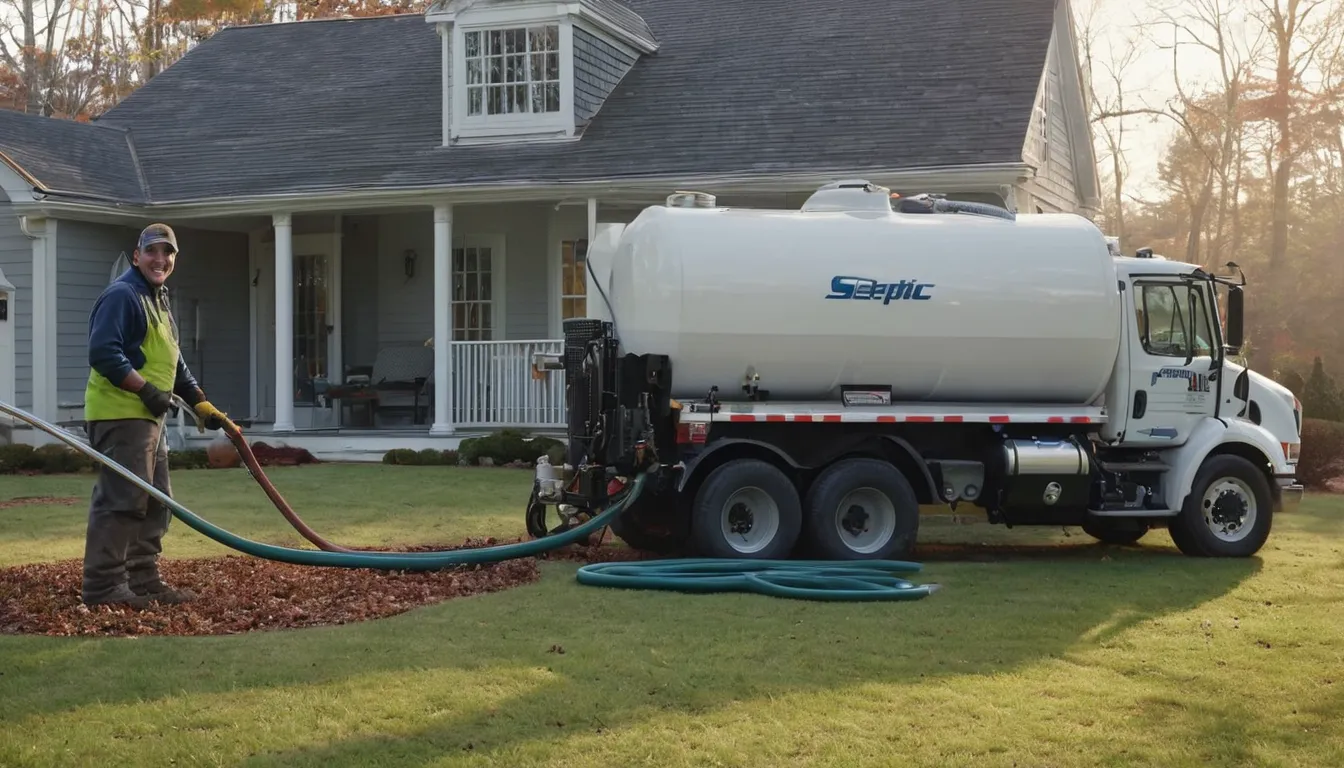
A septic tank collects solids while the liquid drains out to the soil. Over time the solids pile up. When the tank gets too full, they can slip into the drainfield, and that is a repair nobody wants.
Brothercharlie Septic is a referral service. It listens to what is going on, then connects you with an independent provider in our network who can pump the tank. You can compare estimates, ask questions, and decide at your own pace. Pumping is much easier when you plan around the season, so it helps to talk it through early.
Breathe. A full tank is a common problem, and it is usually fixable. Still, some signs mean you should act soon.
If you see backup inside the house, stop using water. Skip the laundry and showers. Then Request a callback to check provider availability, because many providers can respond quickly when a tank is full.
Sometimes a tank is so full that wastewater pushes back into the home. That is when emergency septic cleaning makes sense. A provider pumps the tank, looks at what caused the overflow, and tells you what they see.
Keep kids and pets away from any wet floor. Open a window if the smell is strong. Then wait for the provider to guide you on the next step.
Septic work has a rhythm that follows the weather. Knowing it helps you choose a good time.
Frozen ground can make a tank lid hard to find and harder to open. Snow cover hides it completely. If you can, mark the lid in fall with a stake. A provider can still pump in winter, but it may take extra effort, and the schedule can fill up.
When snow melts, the soil around your drainfield can turn soggy. A tank that is already full has nowhere to send its water. Pumping in late fall or early spring gives the system room to breathe when the ground is wet.
Heavy rain and storm surge can flood a yard. A tank with space in it copes better. If a storm is forecast and you are close to the pump-out date, consider moving it up.
Solids do not break down fully. They settle into a sludge layer at the bottom and a scum layer on top. Pumping clears both. Without it, solids can travel into the drainfield pipes and clog the soil. Drainfield repair is far more costly than a routine pump-out, so keeping up with the schedule is the cheaper road over time.
Many households pump every three to five years. Your number depends on a few things:
Older homes, including multi-family buildings and Cape Cod style houses, may have smaller tanks and more people sharing them. That can mean pumping more often. A provider can estimate a schedule once they know your tank size.
The provider finds the tank, opens the lid, and uses a hose and truck to remove the contents. They usually check the baffles and the liquid level, and note any cracks or odd wear. Some providers also look at the outlet and tell you if the drainfield seems healthy. You can ask them to explain what they see.
A pump-out is a good time for a look inside. An empty tank shows its walls, pipes and baffles clearly. Ask whether the visit includes an inspection or if that is a separate line on the estimate. If you have a private well, ask about water well service too, since a septic system and a well should stay a safe distance apart.
Lenders and buyers often want proof that a tank is in good shape. Pumping and inspecting before a sale can keep surprises off the table. If you are buying, ask for past pumping records. Older stone and block foundation homes sometimes hide old tanks, so it helps to confirm where yours sits.
Small habits protect the tank:
Ask before you commit. If you collect two or three estimates, you will see how scope and price differ. There is no obligation to hire anyone, so take your time.
When you are ready, call or send a request and a provider can take it from there.
A provider empties the tank of sludge and scum so wastewater has room to flow to the drainfield.
Many providers look at baffles, lid and liquid level and tell you what they notice.
When wastewater backs up into the home, many providers can respond quickly. Request a callback to check availability.
Ask for a pumping interval that fits your tank size, household and water use, so you can plan ahead.
Prices vary by tank size, access, distance and season. These are typical U.S. ranges, not quotes. Ask each provider for a written estimate so you can compare the details side by side.
| Item | Typical range | Notes |
|---|---|---|
| Standard pump-out (1,000 gal) | $250 – $600 | Larger tanks cost more |
| Large tank (1,500+ gal) | $400 – $900 | Depends on volume |
| Digging to find the lid | $50 – $250 | Often needed if no riser |
| Riser and new lid | $300 – $800 | Makes future pumping easier |
| Tank inspection | $100 – $400 | May be bundled with pumping |
| Emergency septic cleaning | $400 – $1,000 | Backup situations cost more |
Request a callback or send the request form and describe the drains, smells or backup you are seeing at home.
Brothercharlie Septic connects you with an independent provider in our network that serves your area.
Review the written quote, ask questions about scope and timing, and take the time you need.
If you decide to go ahead, you set the visit with the provider and plan around the weather.
We listen to what is happening at your home and point you toward a provider who fits the situation.
Frost, snowmelt and storms change the timing, so we help you think through when to book.
You can ask for more than one estimate and weigh them without any obligation.
The pumping is done by local, independent providers in our network, not by Brothercharlie Septic.
Tell us what you are noticing at home. Request a callback to check provider availability, or request an estimate and take your time deciding.
No obligationMany homes pump every three to five years. Tank size, household size and water use change that number, so ask a provider to suggest a schedule for your system.
Look for slow drains, gurgling pipes, sewage smells, soggy grass over the tank, or backup in a basement drain. Any of these is a good reason to book a pump-out.
Often yes, but frozen ground and snow can make the lid harder to reach and may cost more. Marking the lid in fall helps.
Tell us what you are noticing at home. Request a callback to check provider availability, or request an estimate and take your time deciding.
No obligation